%20(2)%20(1).png)


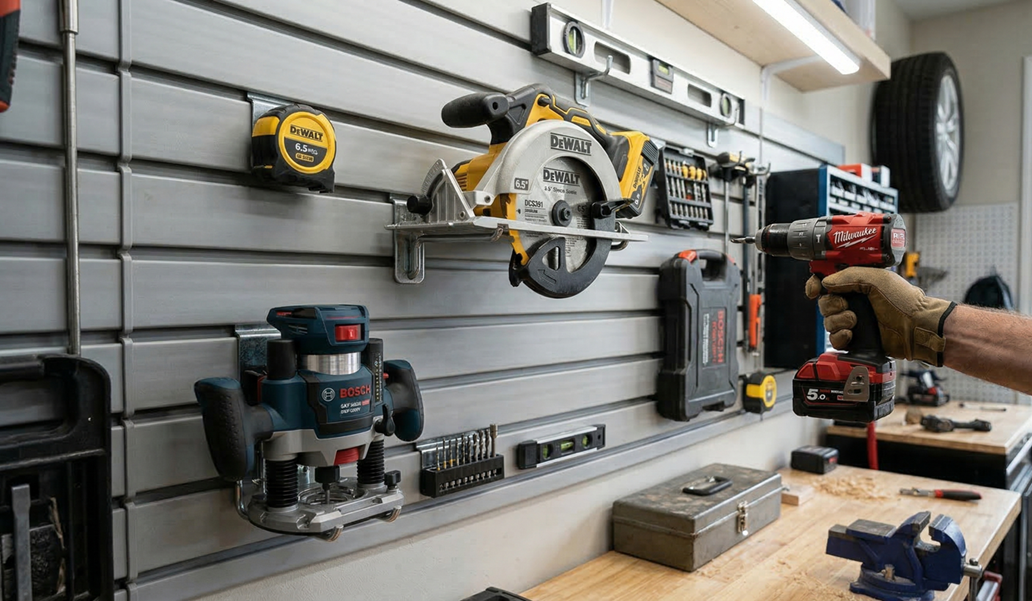
Pegboard tool organization ideas range from basic hook-and-hang setups to fully integrated wall storage systems that keep every drill bit, wrench, and clamp exactly where you need it. For garage and workshop owners in Chicagoland, a well-planned wall system reduces time spent hunting for tools and turns a cluttered space into one that actually functions. Complete Closet Design helps homeowners across the Chicago suburbs design and install custom storage solutions, including garage wall systems built around how you actually work.
Six months ago, a customer’s garage wall was a mess of mismatched pegboards, random nails, and tools piled on a workbench that no longer had a clear surface. Today, it's a streamlined wall system where every tool has a home. The difference wasn't discipline. It was having a layout designed around the workflow, not retrofitted around whatever hooks happened to be on hand.
Why Standard Pegboards Fall Short
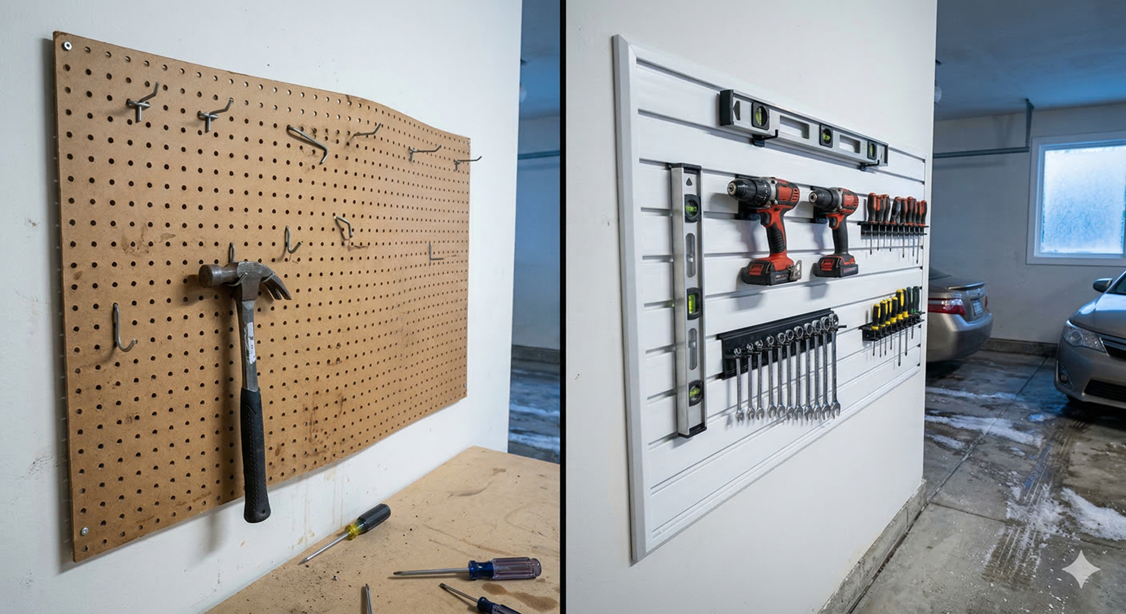
The basic pegboard sold at home improvement stores is a starting point, but it has real limitations that show up fast in a working garage. Standard 1/4-inch pegboard flexes under heavier tools, hooks pop out when you grab something in a hurry, and the grid spacing is fixed. Your layout is determined by the board, not by your tools.
Wall panel systems like HandiWall solve these problems directly. HandiWall panels are built from high-density polyethylene, which resists moisture, won't warp through Chicago's freeze-thaw winters, and holds accessories firmly without the hook-pop problem. The channel design accepts a wide range of hooks, bins, and shelves that lock into place and stay there under daily use.
For Chicagoland garages that swing between subzero winters and humid summers, material durability matters as much as the layout itself. If you're still weighing your options, our guide to how to store tools in your garage covers storage solutions that go beyond wall panels.
How To Plan Your Wall Layout
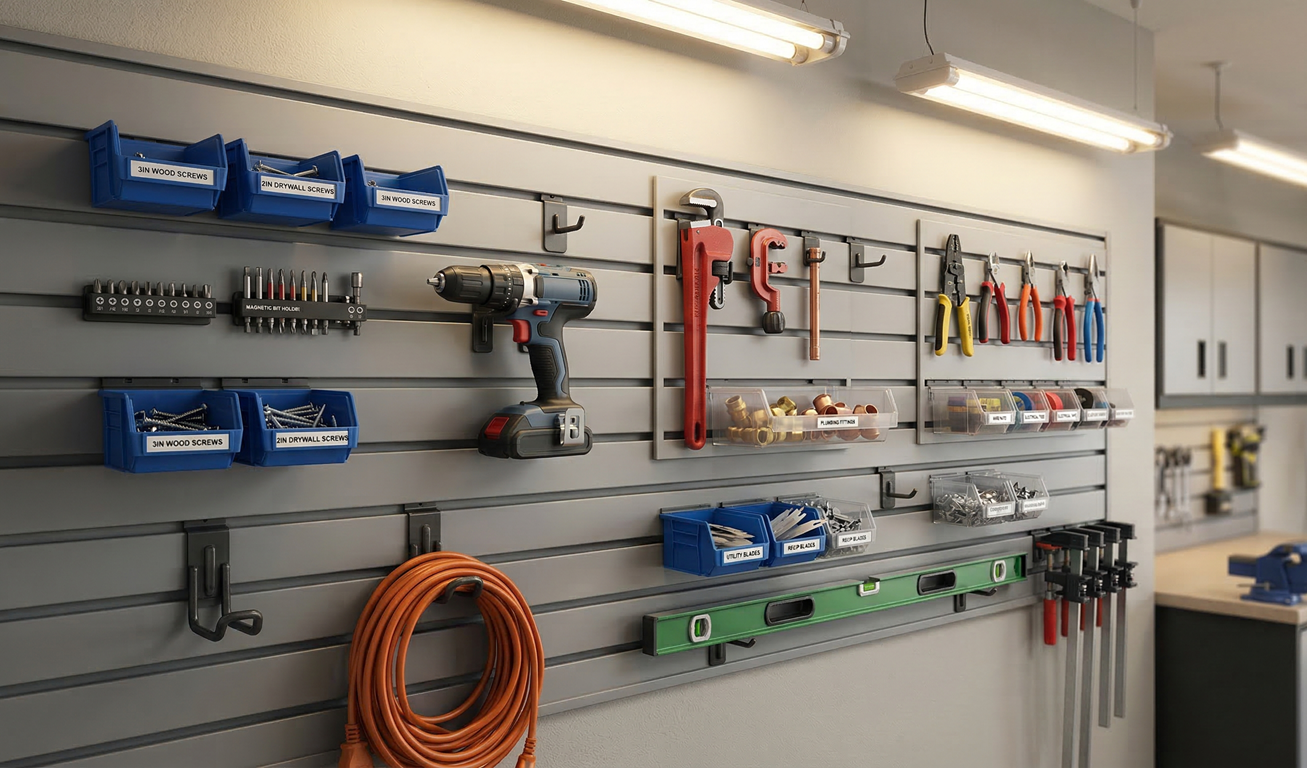
Effective tool organization starts with grouping by task, not by tool type. Drills, bits, and fasteners belong together because they're used together. The same logic applies to hand tools for a specific trade: keep plumbing tools in one zone and electrical tools in another so you aren’t scanning the whole wall mid-project.
These layout principles hold up in practice:
- Mount the most-used tools at eye level and within arm's reach of your primary work zone
- Store bulky items (extension cords, levels, large clamps) lower on the wall where weight is better supported
- Use bins and small shelves for loose items like screws, blades, and measuring tape rather than hanging them individually
- Keep a dedicated empty hook or two for tools currently in use, which forces them back to the wall when the job is done
- Leave visual breathing room between zones so the wall reads as organized rather than packed
After every organized wall comes the real test: can someone unfamiliar with your setup find a tool in under ten seconds?
Pairing Pegboard With a Custom Workbench
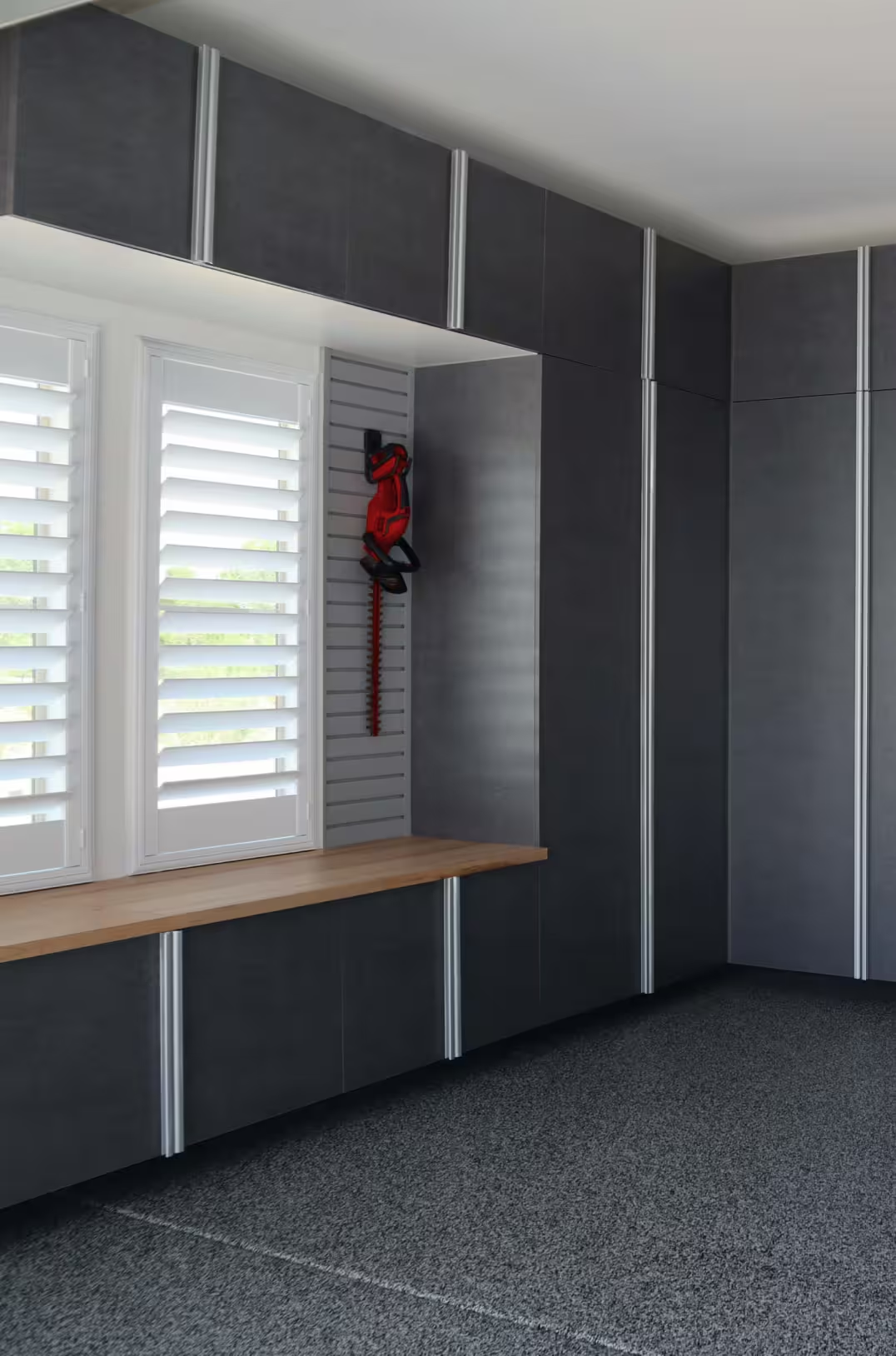
A wall system works harder when it's designed alongside the workbench below it. Custom workbench storage solutions from Complete Closet Design incorporate the wall panel, the bench surface, and the cabinet storage beneath into a single planned unit, so the vertical and horizontal storage work together instead of competing for the same wall space.
For a two-car garage in Naperville or Plainfield, this kind of integrated setup often reveals significantly more usable storage than a piecemeal approach, simply because the heights, depths, and zones are planned as a system from the start. The workbench drawers handle small tools and consumables; the wall system holds the larger items and frequently rotated gear; and the cabinet below the bench stores seasonal or rarely-used equipment out of the way. Our guide on how to build a workbench with storage breaks down what makes that integration work.
If you've already got custom garage cabinets in place, a wall panel system is a natural complement. It puts the things you reach for most often in plain sight, while cabinets handle the items you need less frequently.
Frequently Asked Questions
Can pegboard hold power tools safely?
A standard 1/4-inch pegboard typically handles tools up to a few pounds before hooks loosen or the board flexes. For power tools like drills, circular saws, and routers, a heavy-duty panel system with locking accessories is the more reliable option. Wall systems rated for heavier loads keep tools secure even when you reach for them in haste.
How much wall space do I need for a functional tool wall?
A single-car garage workshop can benefit greatly from as little as 4 feet of dedicated wall space as long as the layout is planned well. Most homeowners find 6-8 linear feet allows enough room to group tools by task without crowding. The key is designing the layout before purchasing accessories, not the other way around.
Does Complete Closet Design install garage wall systems?
Yes. Complete Closet Design installs custom garage storage systems across the Chicago suburbs, including integrated workbench and wall panel combinations. The process starts with a complimentary in-home consultation where your space, workflow, and goals are assessed before any layout is designed.
Ready To Turn Your Garage Into a Real Workshop?

A tool wall that works starts with a layout designed around your workflow. Outfitting a dedicated workshop and reclaiming a two-car garage that became a storage catch-all are both solvable problems, and the right wall system is usually the difference between a space you tolerate and one you actually enjoy working in. Schedule your free consultation with Complete Closet Design and get a custom plan built around your tools, your space, and how you use them.
Design Your Dream Workbench - Affordable Payment Plans Available!
Don’t let budget concerns hold you back. Design the custom workbench you deserve with our affordable payment plans. Start your project today!