%20(2)%20(1).png)


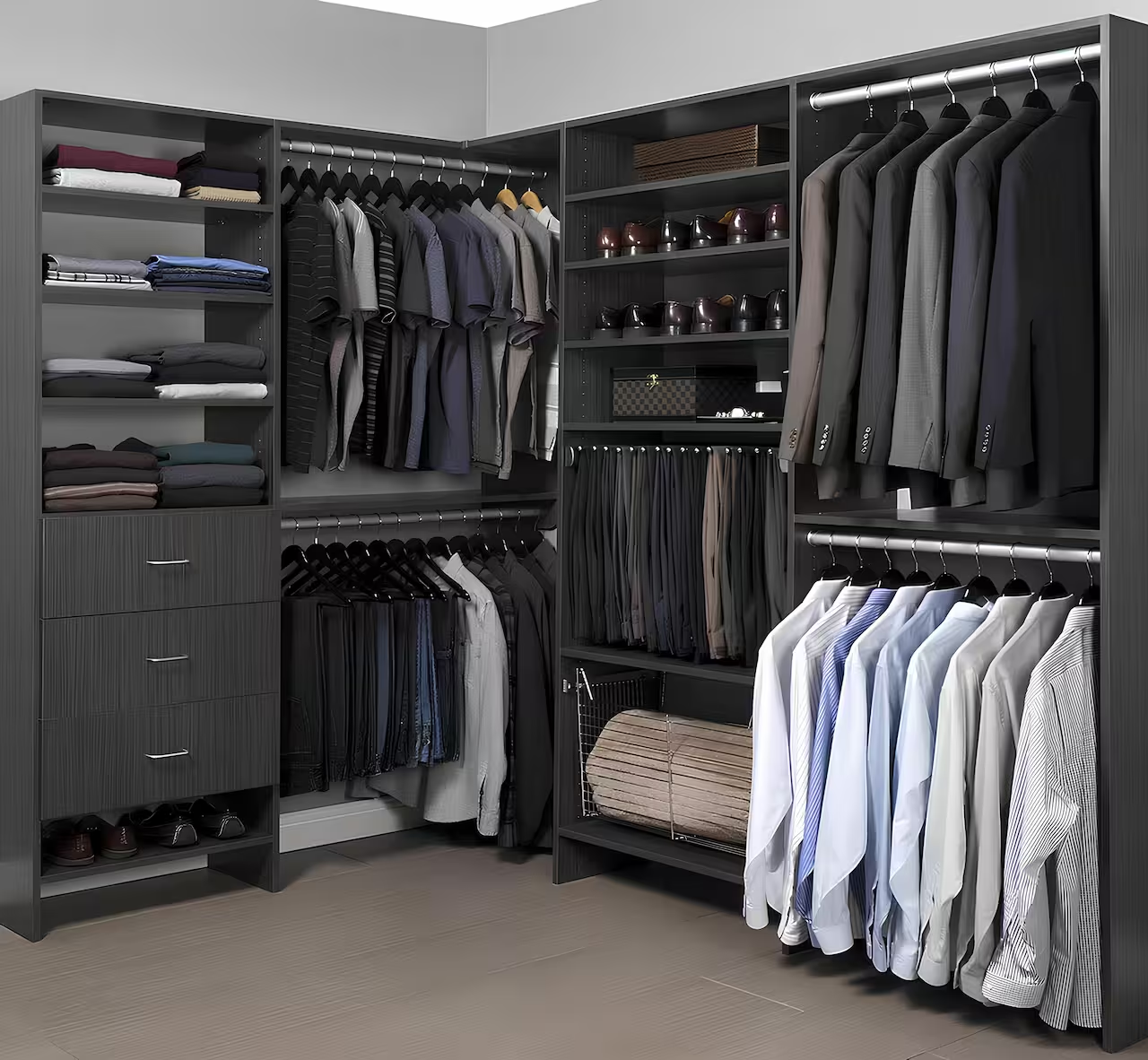
Men's walk-in closet organization works best when the layout is built around a real wardrobe and daily routine rather than a generic floor plan. The most functional setups divide the space into clear zones (hanging, folded, shoes, and accessories) with every section sized to what's actually in the closet. Complete Closet Design builds custom walk-in closets for homeowners throughout the Chicago suburbs, including designs specifically dialed in for how men actually get dressed in the morning.
You've got a walk-in closet. You're using maybe 60% of it well. The rest is a rotating pile of things without a defined home. Every morning, you spend two minutes searching for the one dress shirt you need right now. If this sounds familiar, the problem probably isn't the number of clothes you have. The closet was simply never laid out according to the way you actually use it.
Start With How You Actually Dress
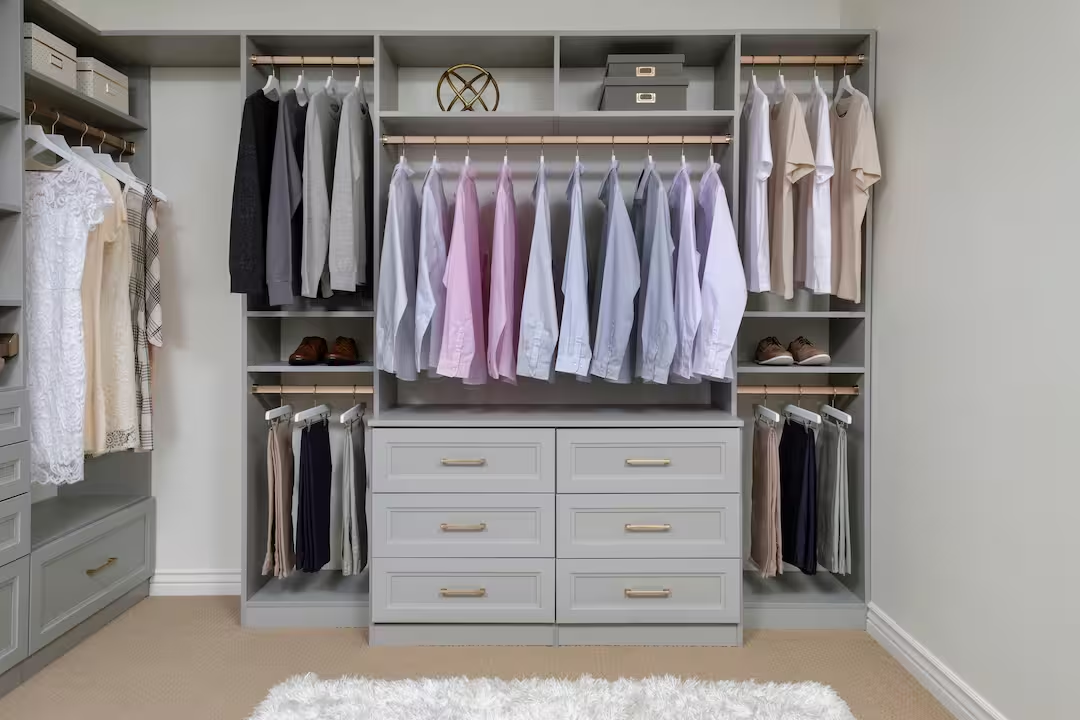
Before you rearrange a single shelf, take stock of your wardrobe by category and how often you use those items. How many suits do you own versus how many do you wear? Do you rotate ten pairs of shoes or three? Is most of your hanging section occupied by dress shirts, or is it half dress and half casual?
This audit shapes every dimension of the layout. A man who wears dress shirts five days a week needs more long-hang space and fewer cubbies than someone who works from home and lives in folded clothes. Getting the proportions right at the start means you never run out of the storage type you actually need. It also helps identify whether a walk-in is the right format at all. Some smaller footprints work better as a custom reach-in closet with smarter shelving than a cramped walk-in with no room to turn around.
Zone Your Closet by Category
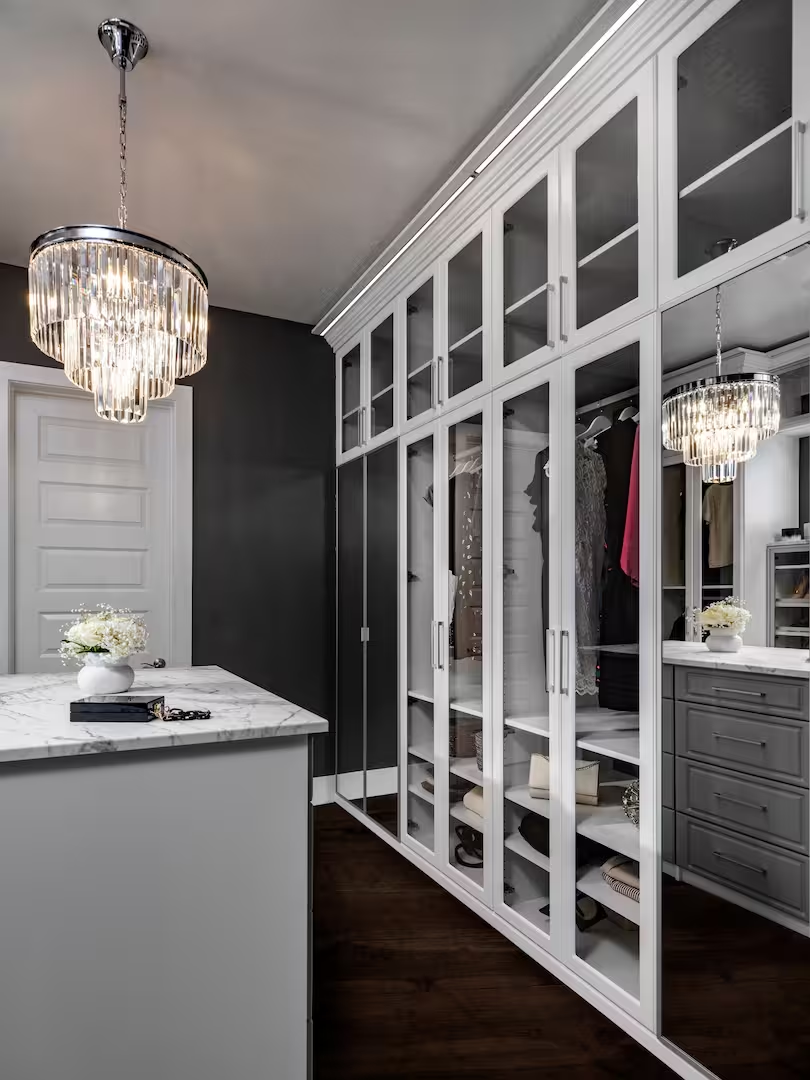
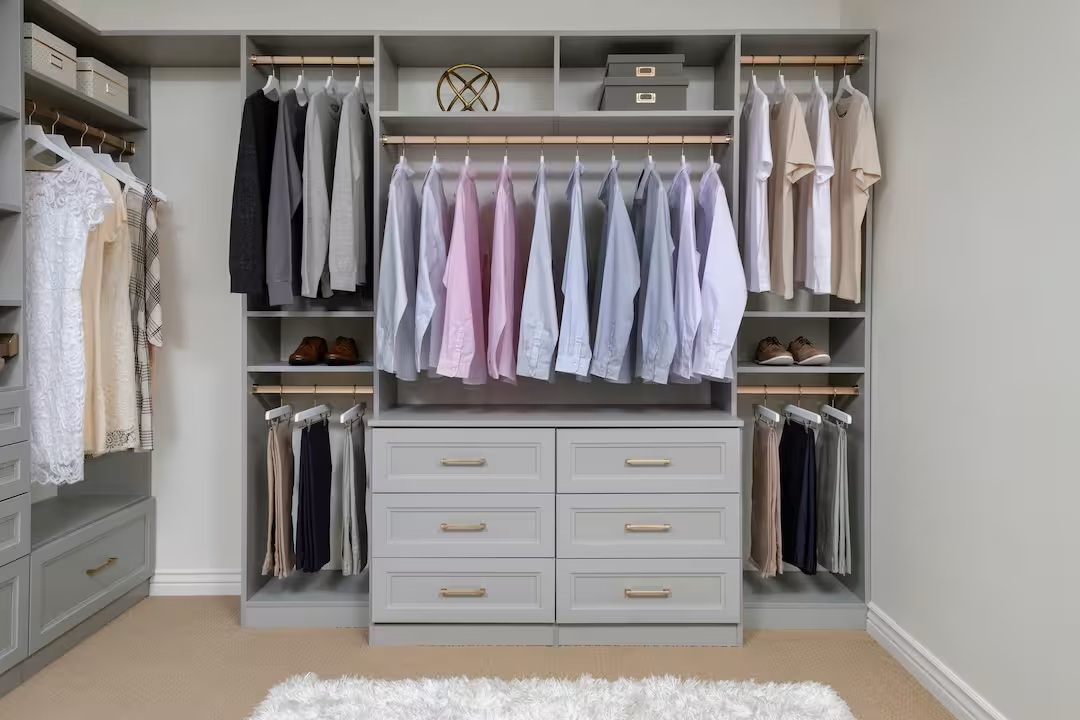
A functional men's walk-in closet is comprised of four core zones. Everyday items go closest to the door. Shoes you wear weekly, the five dress shirts in rotation, and the suits you reach for regularly belong in the highest-traffic zone, typically the first section you see when you walk in. Seasonal items and rarely-worn pieces go deeper into the closet or on higher shelves.
Here's a breakdown by zone that works for most setups:
- Short hang: folded items like polos, dress pants on hangers, and casual shirts, typically 40 inches from rod to shelf
- Long hang: suits, sport coats, and dress shirts, requiring 65 to 70 inches of clearance
- Shoe storage: open cubbies or angled shelving so pairs are visible at a glance
- Drawer section: undershirts, socks, folded workout gear, and anything that doesn't hang well
- Valet or pull-out features: a pull-out tie rack, a belt hook panel, or a valet rod for tomorrow's outfit laid out tonight
For more layout strategies, our guide to walk-in closet organization ideas covers additional configurations worth considering. The drawer section is where most men's closets underperform. A single large shelf filled with folded items becomes a mess fast. Three to four shallow drawers in that same footprint keep categories separated and visible.
Features Worth Adding
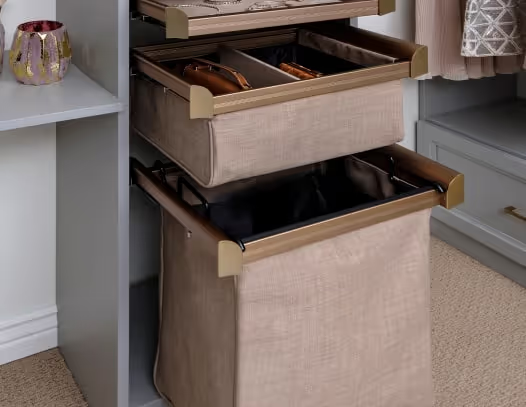
A few specific features make a real difference in daily usability. Pull-out tie and belt racks solve the tangle problem: ties hang flat, belts loop on individual hooks, and both are visible without digging. Built-in shoe cubbies sized for men's footwear (generally 14 to 16 inches deep) prevent the two-pair-per-slot shuffle that happens on undersized shelves. Our guide on how to store shoes goes deeper on sizing and layout for larger collections.
Integrated LED lighting inside the hanging sections solves a common problem in Chicago's western suburbs, where older ranch and split-level closets were built without windows and rely on a single overhead bulb. Good lighting in the right spots means you can actually see fabric colors and find what you need.
If the closet is shared, a clear visual boundary between his side and hers prevents the gradual encroachment that happens in most shared spaces over time. A center island with drawers on both sides is one of the cleanest ways to divide the space while adding storage for both parties. Custom walk-in closet design from Complete Closet Design includes a 3D visualization step before installation, so you see the exact layout before a single component is installed.
Frequently Asked Questions
What is the minimum size for a functional men's walk-in closet?
A walk-in closet of at least 5 feet by 7 feet can accommodate hanging on two walls and a small drawer section at the end, which is enough for most wardrobes. Below that footprint, a well-designed reach-in configuration often outperforms a cramped walk-in. The layout matters more than the square footage.
How do I organize a men's closet if I have both suits and casual clothes?
Divide the hanging section into two distinct rods at different heights: one long-hang rod for suits and dress shirts at 65 to 70 inches of clearance, and one double-hang configuration for casual shirts and pants. Keep casual items near the door and formal wear further in, since you'll reach for casual clothes more often.
Does Complete Closet Design work on men's walk-in closets in Naperville and the western suburbs?
Yes. Complete Closet Design serves homeowners in Naperville and across the western suburbs with custom walk-in closet installations. Every project starts with a free in-home consultation to measure the space, review the wardrobe, and build a layout around how you actually use the closet. Contact us today to get started.
The Closet That Works Every Morning
A well-organized men's walk-in closet doesn't require more space. It requires the right zones, the right proportions, and features matched to how you actually dress. Getting dressed in the morning should take minutes. If your current closet isn't delivering that, a custom layout built around your wardrobe will.
Design Your Dream Workbench - Affordable Payment Plans Available!
Don’t let budget concerns hold you back. Design the custom workbench you deserve with our affordable payment plans. Start your project today!